Across parts of Ghana, rivers that once ran clear now run the colour of tea with milk, forests have been cleared for open pits, and farmland has been left scarred. Illegal small-scale mining, widely known as galamsey, is one of the country’s most pressing environmental and public-health challenges, and it sits at the heart of PlanetCare’s work on water, sanitation, conservation and climate resilience.
This story shares photographs from field observations and sets out the questions we are investigating. It is an early look at the issue, not a set of final findings. Faces in the photos have been blurred to protect the people shown.
What the photos show
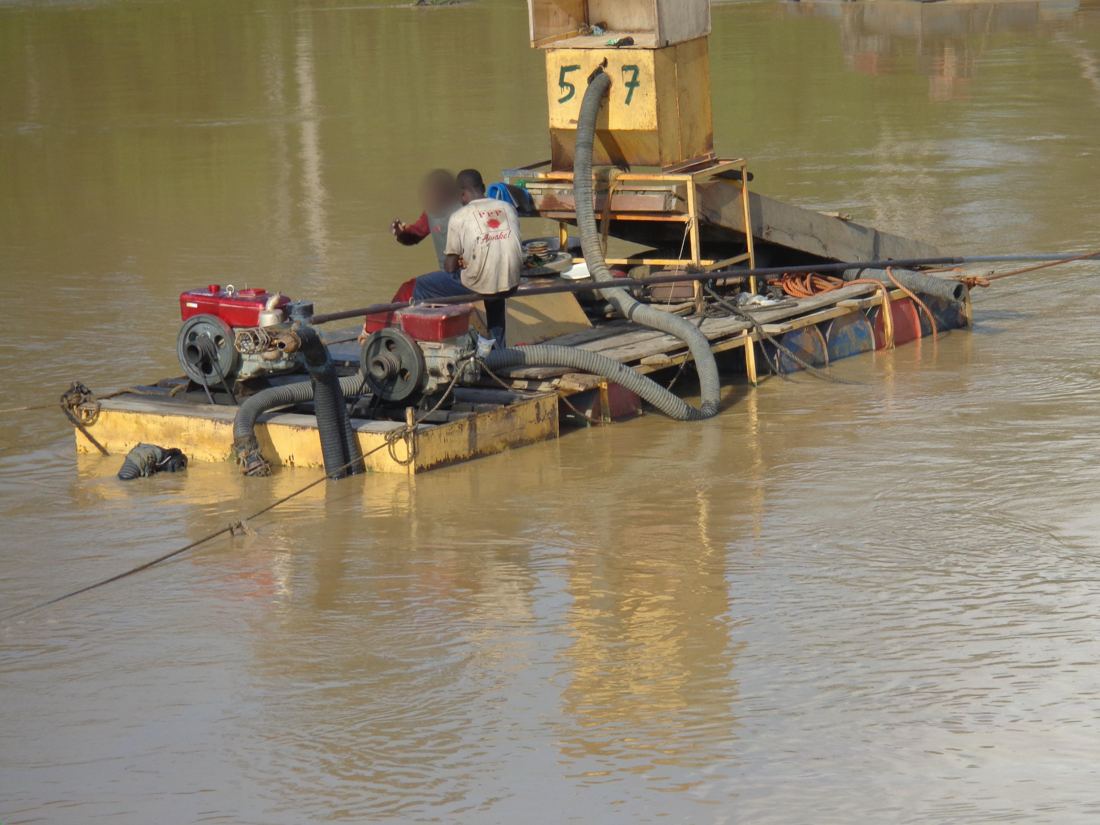
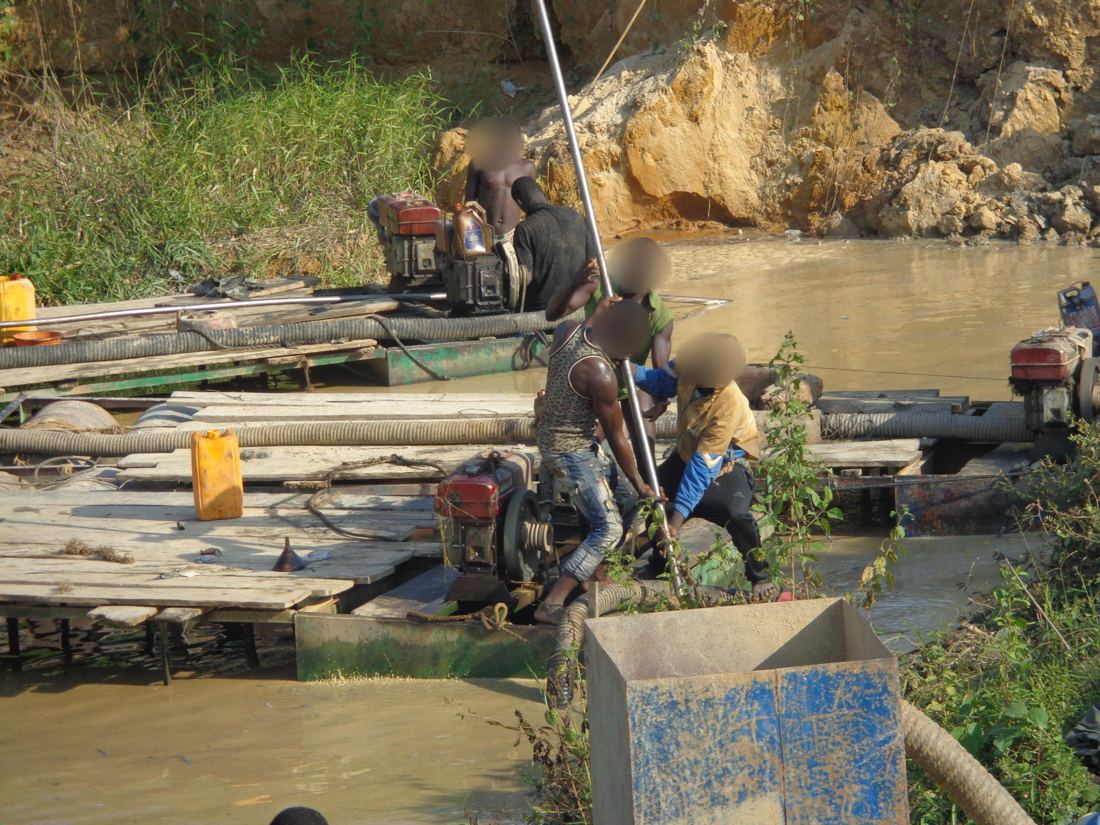
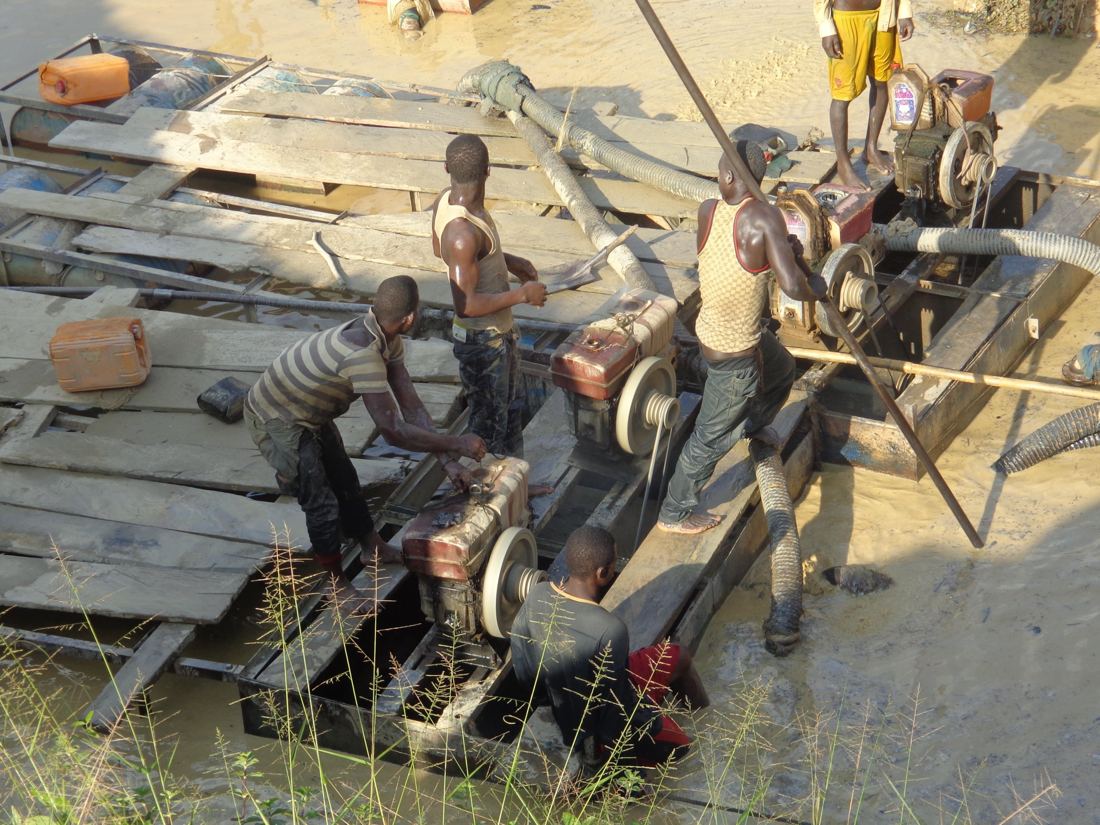
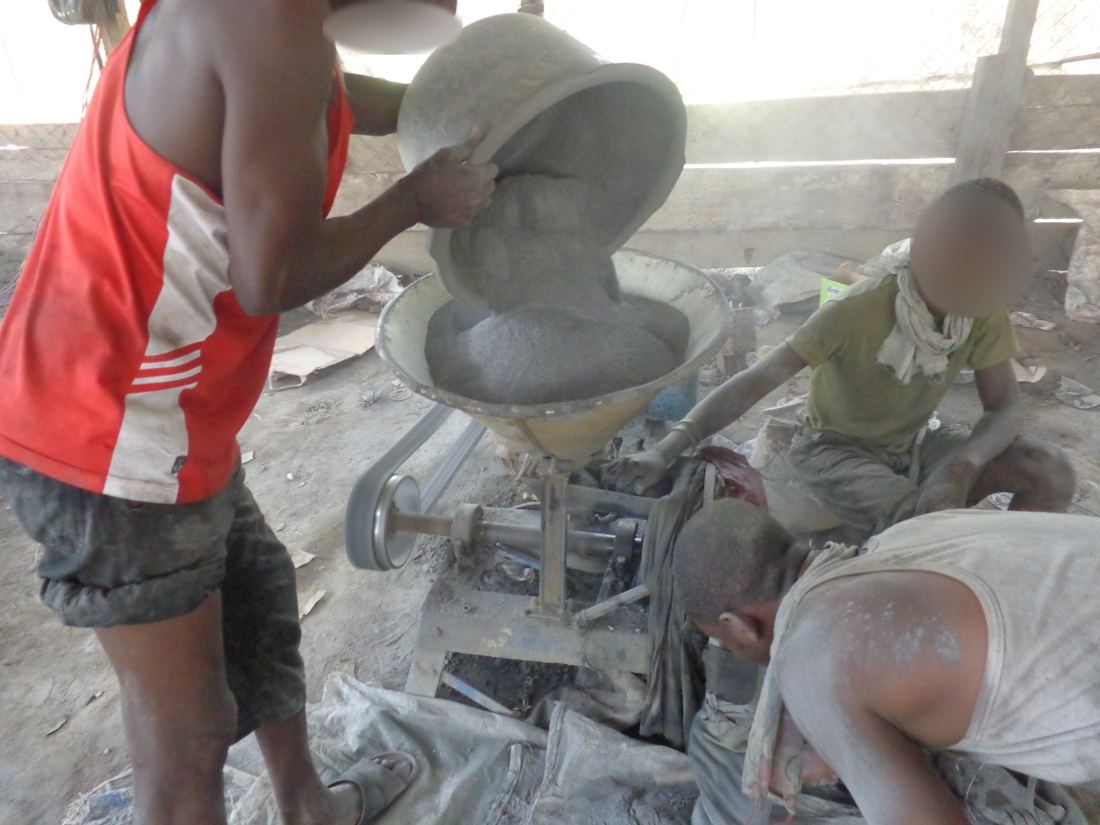
Floating platforms fitted with diesel engines and suction hoses are used to pull sediment from the riverbed, while processing machines on the bank grind and sort the material. Together, these activities disturb river channels, bank vegetation and soils.
Three connected questions
1. What is happening to ecosystems?
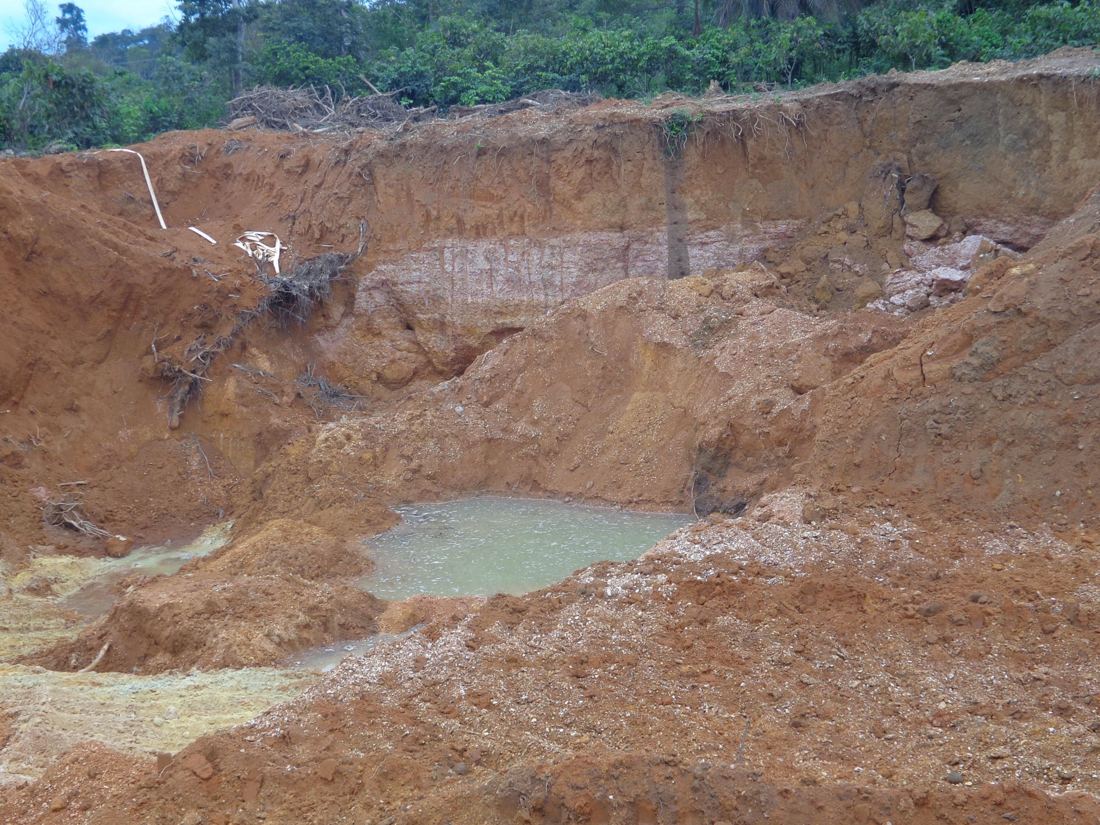
Clearing vegetation and digging pits strips away topsoil and habitat. Rivers carry far more sediment, which can smother aquatic life, and abandoned pits can be left open for years, filling with standing water.
2. What happens to the services ecosystems provide?
Healthy ecosystems quietly supply things communities depend on: clean water, fertile farmland, fish, protection from erosion and flooding. When rivers become heavily silted and land is stripped, those services weaken. Water becomes harder and more costly to treat, and farming and fishing livelihoods are put at risk.
3. What does it mean for human health?
Polluted water, contaminated soils and dust can expose people to harmful substances, including heavy metals, and standing water in abandoned pits can become a breeding ground for mosquitoes. Mining and processing work can also be physically dangerous. Communities living near affected rivers and sites are often the first to feel the effects.
How we are approaching it
- Documenting affected sites and tracking changes in land and water over time.
- Working with partner laboratories to assess water and soil quality.
- Listening to communities about livelihoods, drinking water and health.
- Turning verified findings into WASH education, restoration activities and evidence for policy advocacy.
What can be done
Lasting solutions combine restoring damaged land and rivers, creating alternative livelihoods, strengthening local monitoring and supporting informed policy. Community-led tree planting and landscape restoration, like the work in our Our Work in Pictures gallery, are part of that answer.
If you are a researcher, laboratory, government agency, development partner or community group working on this issue, we would like to hear from you. Partner with us.
Support our work
Help us bring clean water, sanitation, clean energy and conservation to more communities.
Donate